Juggling
Before you juggle, three objects are three objects.
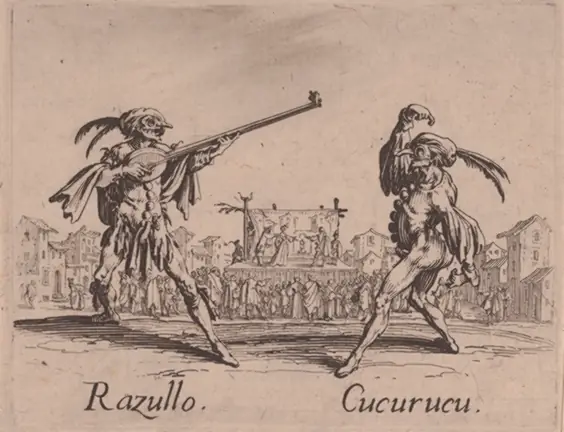
Then there are trajectories, apexes, timing windows, peripheral information, throw quality, hand position, recovery possibilities.Two leaves of the Book of Hours, read after dark.
Think of something you can notice now that you once could not. A beat. A balance point. A breath. A timing window. A look from an audience. That difference matters.
Before you juggle, three objects are three objects.
Then there are trajectories, apexes, timing windows, peripheral information, throw quality, hand position, recovery possibilities.Before you perform, being watched may simply be threatening.
Then you begin distinguishing attention from judgment, silence from rejection, tension from failure, mistake from catastrophe, audience energy from your own internal state.You do not merely understand balance. You balance.
You do not merely discuss courage. You step out. You do not merely conceptualize embarrassment. You drop the ball. In front of everyone.Then you discover you are still there. Pick it up. Try again. Now something has changed.
Before you watch, a show is a show.
Then there are setups, the miss that was on purpose, the breath before the drop, the moment a room decides something together, and the difference between a trick landing and a trick landing on you.
The performer trains this. So does anybody sitting in front of it. Same engine, run from the other side.
So here is the name for it
A distinction is an ability to perceive or enact
a difference that previously wasn't available.
Human freedom is partly a function
of available distinction.
That's the trade. More differences, more moves.
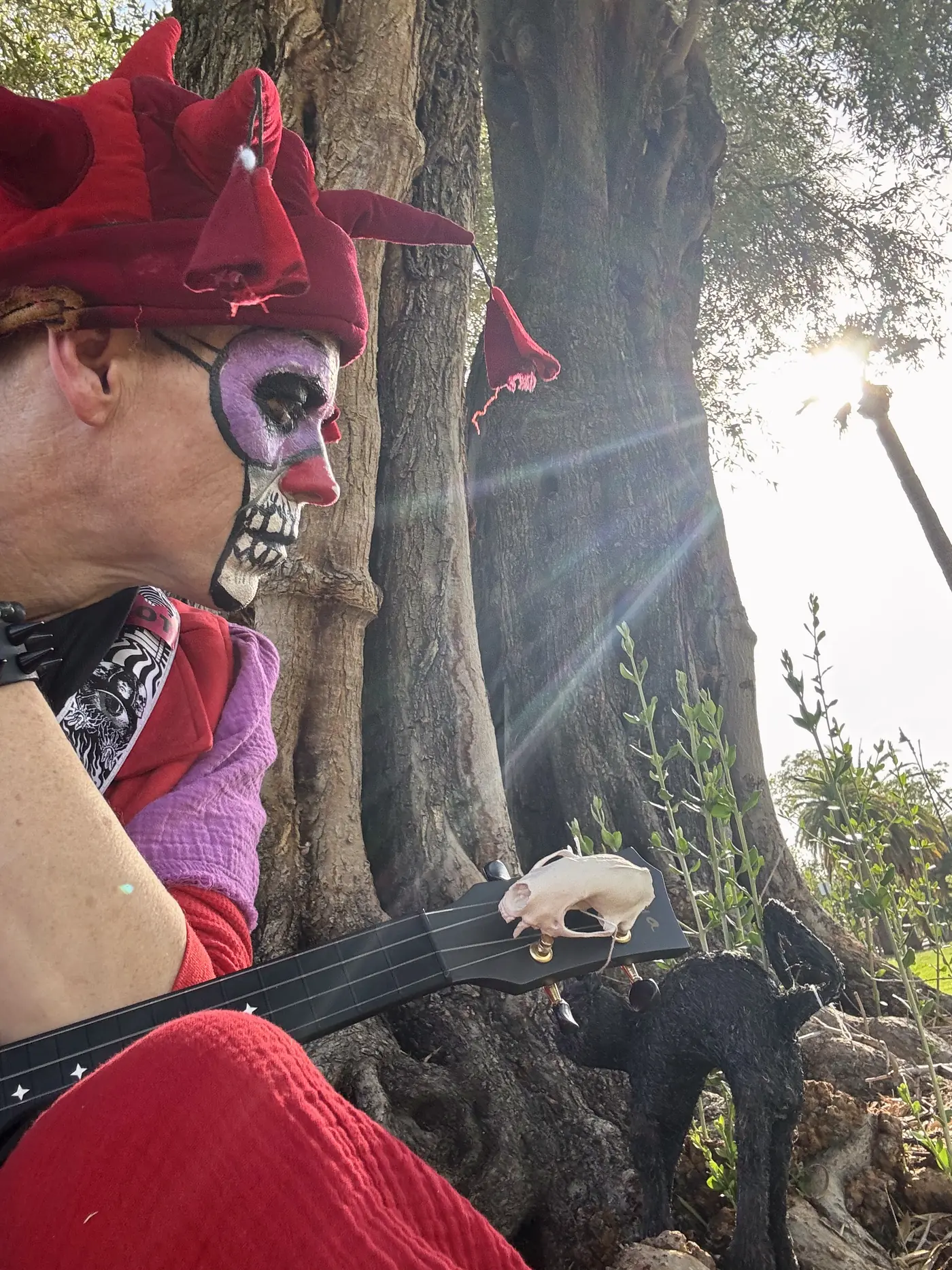
One way we hold the mystery
Perception is King.
Love is Queen.
Reality is the realm. The body is the kingdom's terrain. Play is the freedom still available inside its laws. The Jester keeps asking whether the borders are really where everyone says they are.
What play actually needs
Enough constraint that something can happen.
Enough freedom that something unexpected can happen.
Start mild and grow wild.
Not because the fool is exempt from gravity. Because he's willing to test the edge and sometimes finds there was another ring just beyond the one everybody could see.
The check is on the way out. What can you do now that you couldn't on the way in? That question is for the third row too.
One person's door. Yours will look different.
I was running from my body. That's where the pain was. Why would I want to be there?
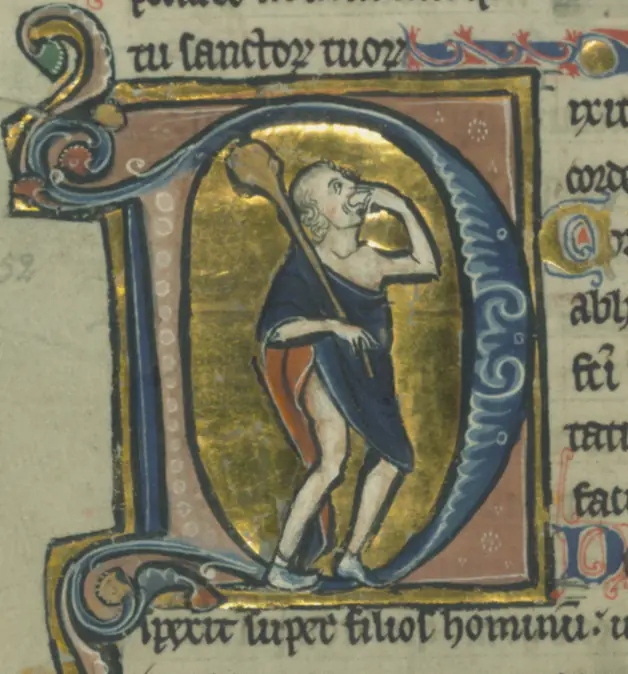
The jester gave me a way to say things I could not yet say plainly. A way to wear what I was not yet comfortable wearing. The thing I ran from became the instrument I participate with.
Make the ugly beautiful. Make pain ridiculous. Make fear theatrical. Approach horror voluntarily and then step back out. Turn uncertainty from an abyss into material.
The question
What can this thing do?
There's nothing wrong with the whiteboard. But some things can only be learned by doing them. Experience something. Observe. Model it. Return to experience. Let reality insult the model. Revise it. Try again.
Student. Connector. Creator. Student again.
A stumble followed by panic communicates failure. A stumble incorporated into the dance communicates play. The audience doesn't merely perceive what happened. They perceive your relationship to what happened.
Look again. The jester does not need to own the throne. The jester can change the angle.
Court jesters lost their heads too, while they enjoyed special privileges. That's the tightrope walk.
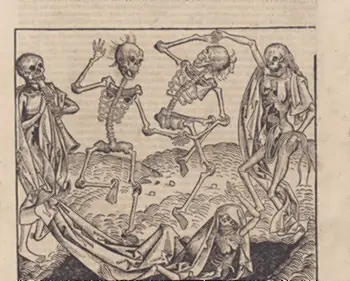
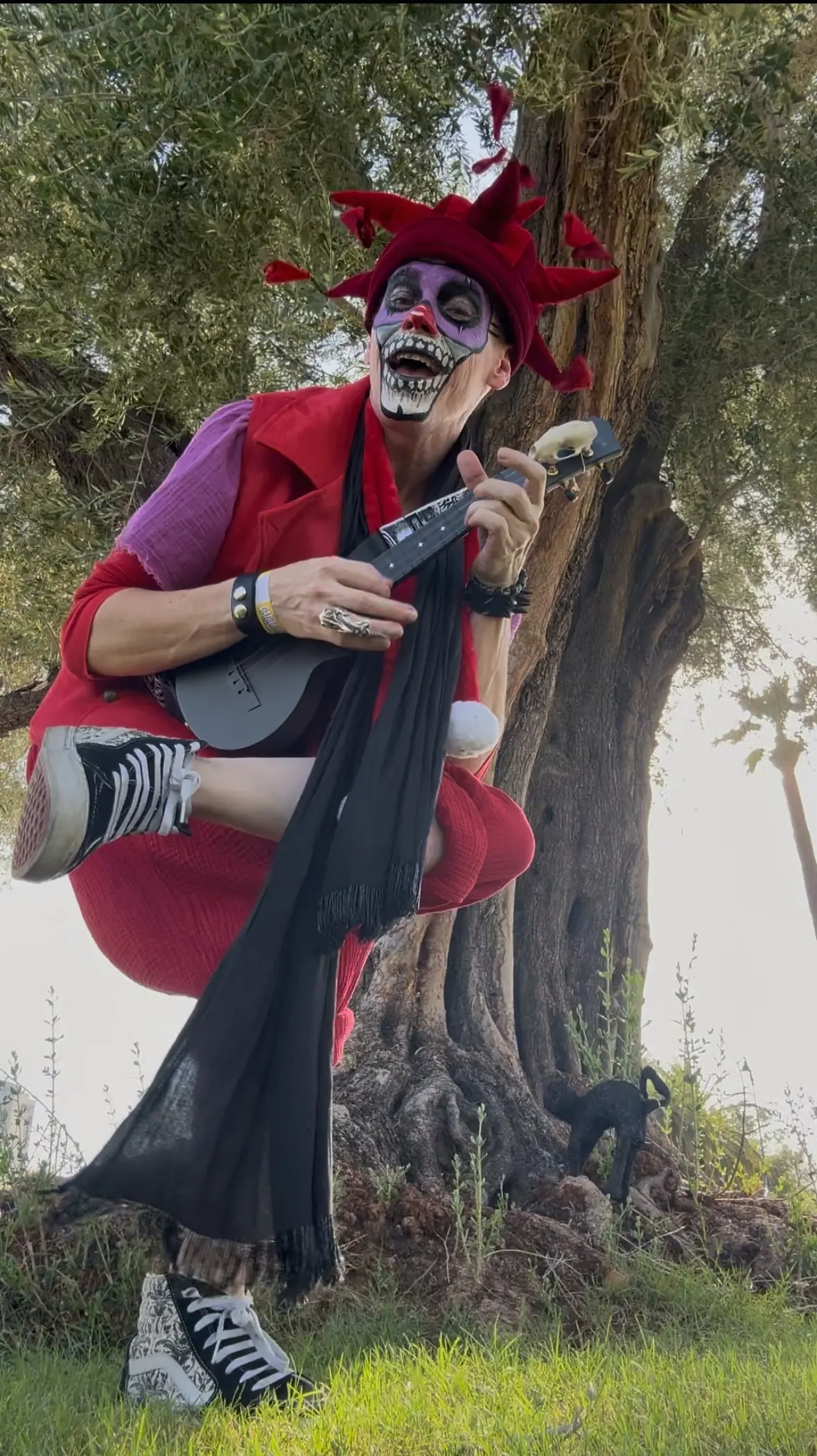
I found a form that let me back into my own life. A jester. A ukulele. Horror and warmth in the same breath. It took me most of forty years and a lot of wrong turns, and a spiral is not a loop :: a spiral means distance from the last coordinate.
What did you run from? What would let you walk back toward it? What would you have to put on to come through that door?
I want to find out what the world has left to teach me. Start with you.
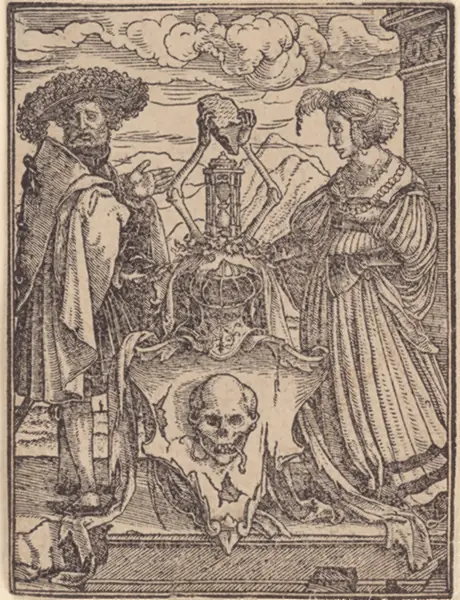
So here is the only instruction
Create, my friends,
something of your own.
If you don't like what I make, go make something different. Tell me how much you hate it, or how much you love it. Give me something to respond to.
Here’s mine. Show me yours.
play@circusfolk.com::602-935-PLAY
Circus Folk is an Arizona nonprofit corporation organized for charitable and educational purposes. We are not yet recognized as tax-exempt and are not currently making tax-deductibility claims. The organizational and governance page lives at circusfolk.org.
What you type into a form here goes to a person at Circus Folk and nowhere else. We don’t sell it or share it. Payments are handled by Stripe; we never see your card.